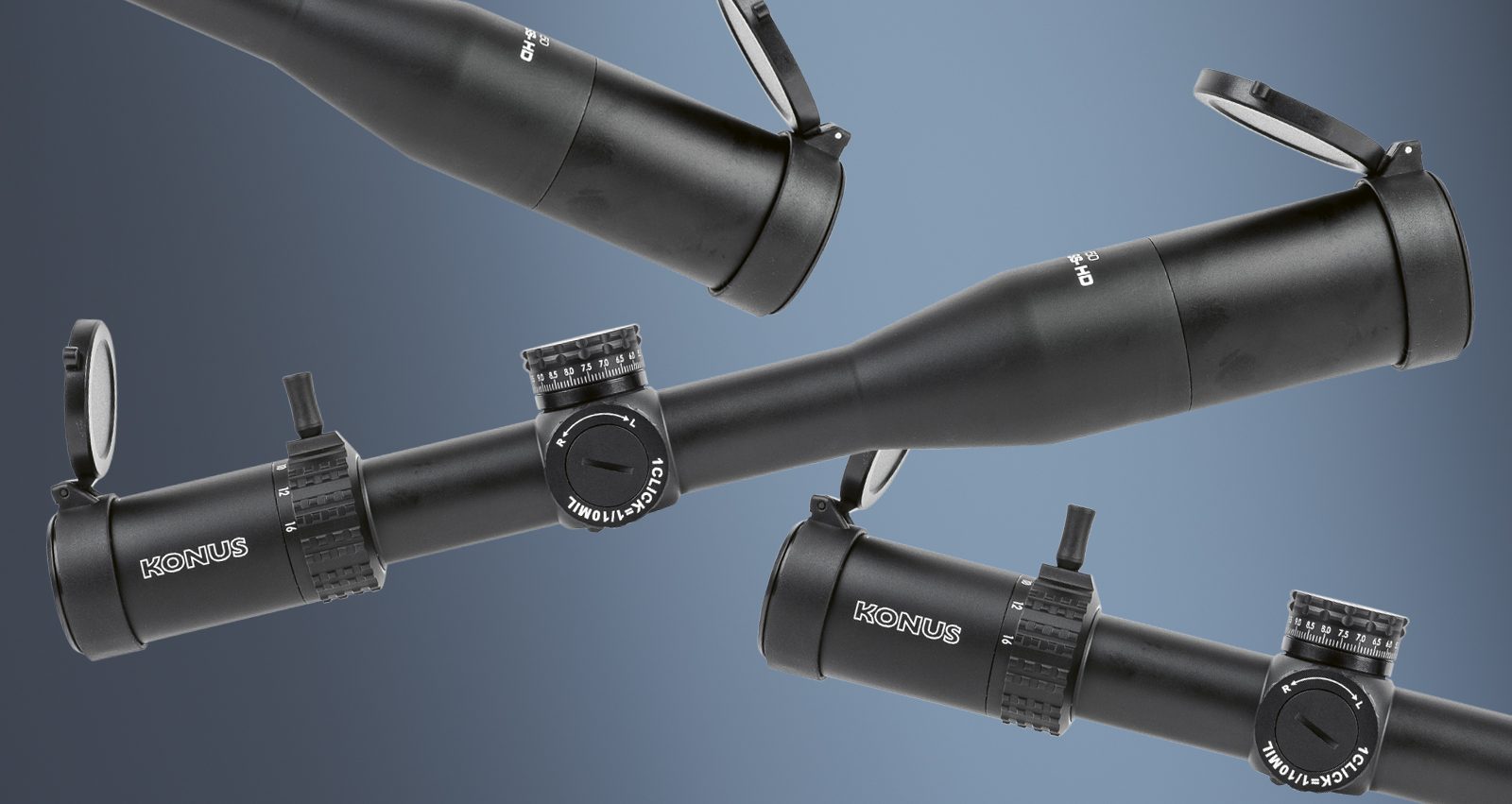
★ Competition – win a Vantage riflescope worth £279 – enter here! ★
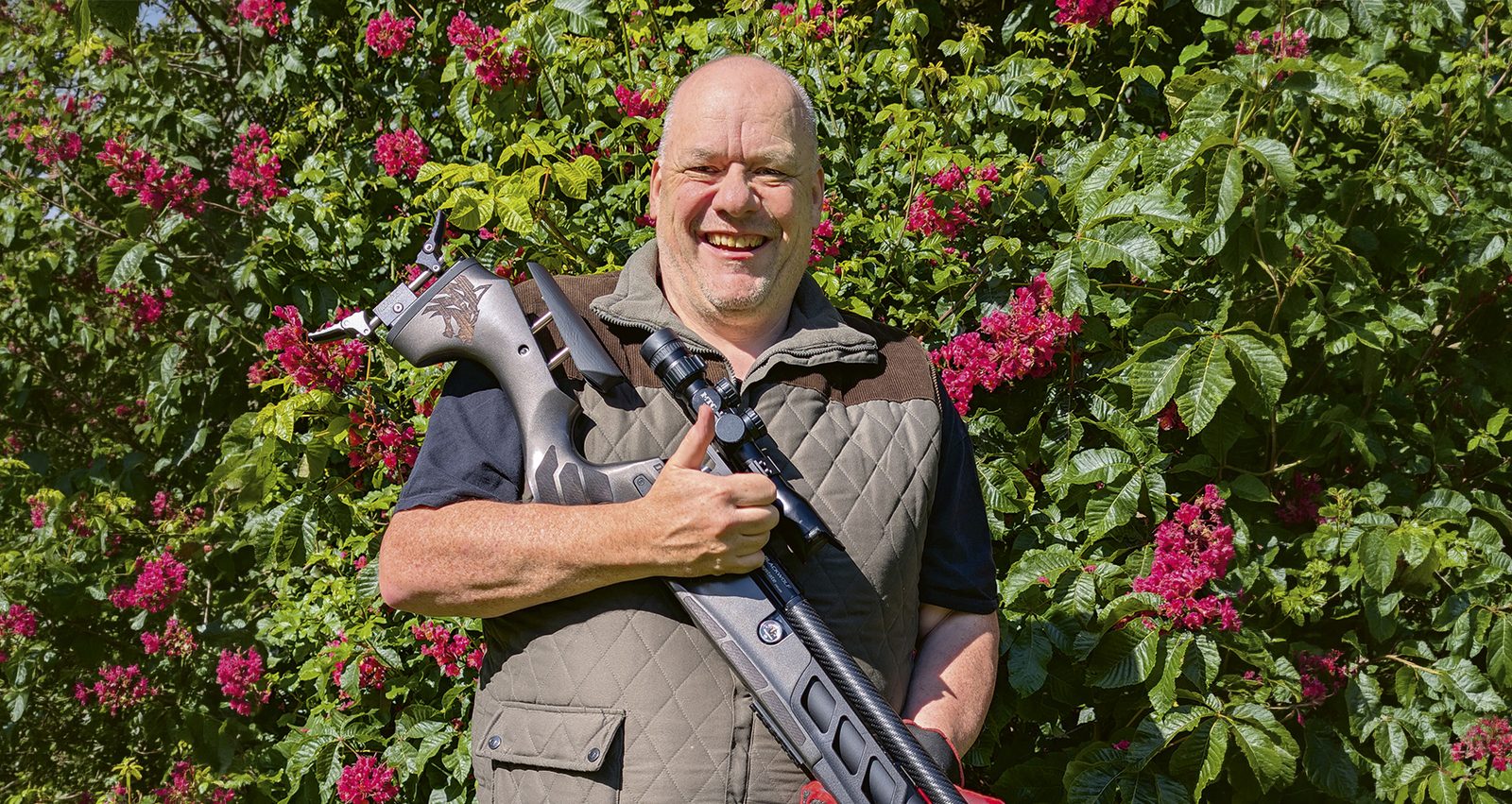

Seven reasons springers are better than PCPs
After a year of letting PCPs back into his gun cabinet, Jamie Chandler still finds himself drawn to the honest thump of a spring-piston rifle. Here is his case for why your first or next air rifle should be a springer
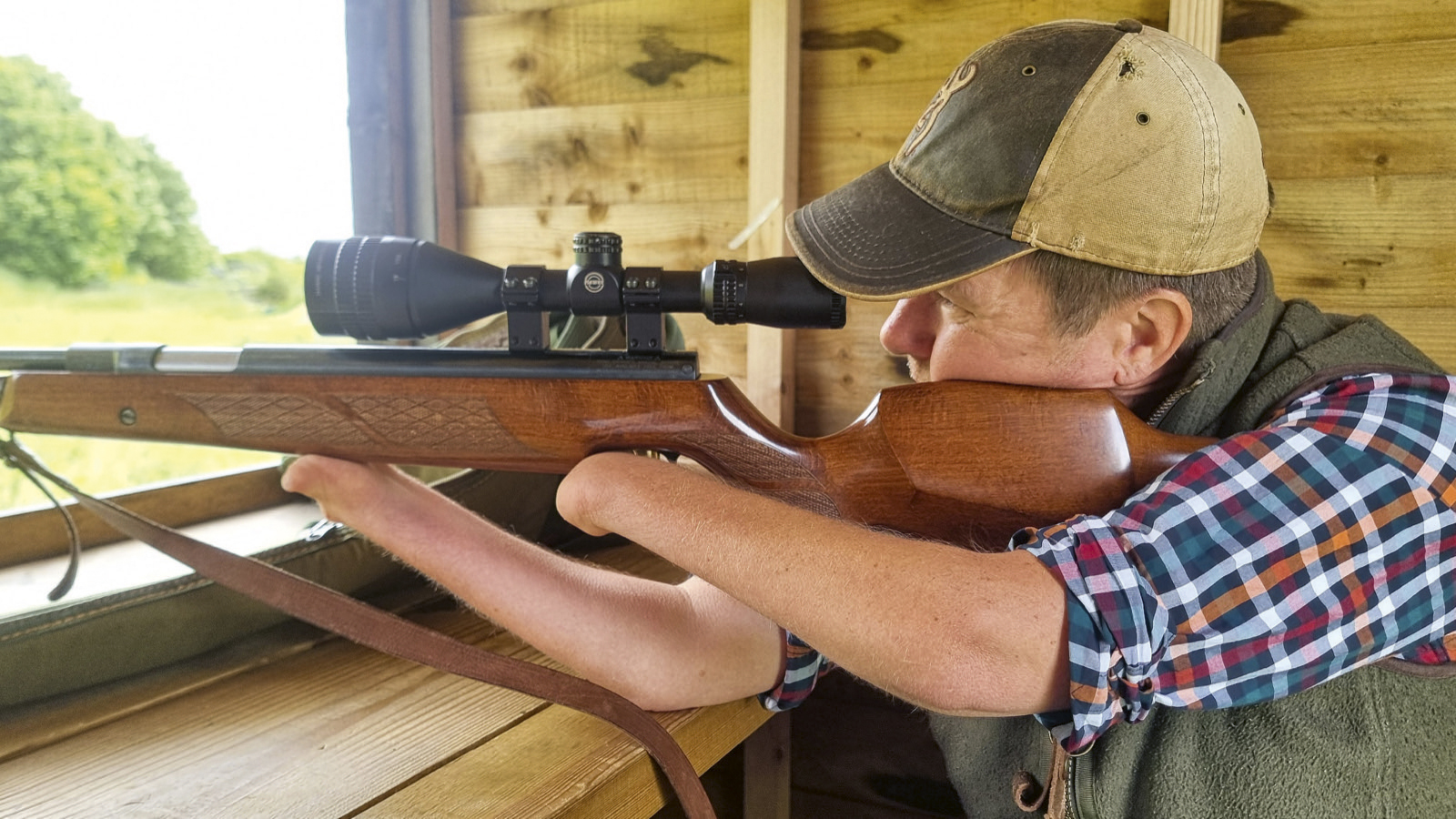

After just over a year of letting PCPs fully back into my life (including the Daystate Huntsman, the Reximex Lyra and the BSA R12 SE) I really thought I’d convinced myself otherwise, but I was wrong: I still think that springers are my favourite style of air rifle. Here’s why I think your first or next one should be a springer.
1. Glorious independence
You buy a PCP, a lovely bit of kit, and it shoots like a dream. But wait, you need a great tank, or a pump, or a compressor that sounds like a jet engine trying to swallow a bag of spanners just to get air in it. It’s like buying a Ferrari and then realising you need to fork out more money on a Toyota Aygo just to get the Ferrari started.
A springer is a self-contained universe of ballistic joy. You cock it, you load it, you fire it. No faff, no gauges, no wondering if your local dive bottle fill-up shop is open. Take a springer to the remotest corner of the planet, and as long as you’ve got pellets, you’ve got a rifle that works. Try doing that with a PCP when you’ve left the fill probe on your kitchen table at home.
2. Wallet-friendly smiles
I love value, and when it comes to airguns, springers deliver it in spades. You can pick up one of the best, most beautifully engineered spring rifles like the Weihrauch HW 97, HW80, or Air Arms TX200 (even the Prosport) for a song. All are built to last longer than your average pyramid, for the same price as a mid-level PCP that still needs more money spent on charging gear. You’re getting some of the finest engineering in air rifles, possibly nestled in a lovely bit of walnut, for less than half the price of the PCP range-topping alternative (plus the means to blow it up).
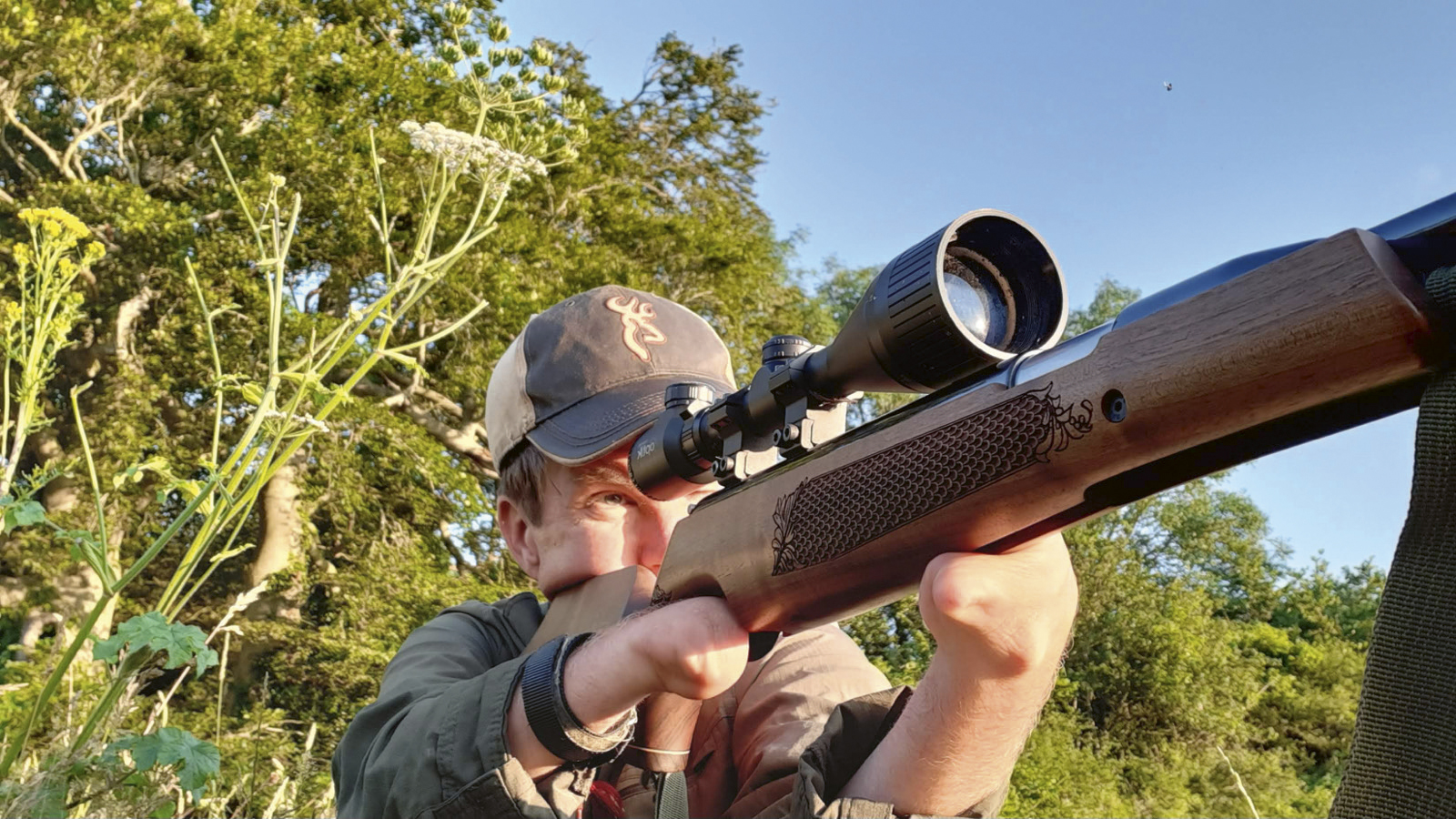
3. Simplicity and reliability
Gaskets, O-rings and mysterious air leaks – PCPs are full of rubber seals. One tiny seal decides to give up the ghost and suddenly your pride and joy is hissing like an angry cobra from the back of the car as you’re on your way to your permission or club, emptying its expensive air into the slip around it. Then it’s off to the gun shop with parts on order, and your shooting’s cancelled for a week or two.
A quality springer? Minimal moving parts: the spring itself, the piston, the seal, the trigger unit – that’s pretty much your lot. They’re like a Series Land Rover: simple, rugged, and you could probably fix it with a hammer and a bit of Coke can if you really needed to. They sit in the cabinet, year after year, ready for action. No drama, no fuss, just pure, unadulterated mechanical grunt. It’s the kind of reliability that makes you want to pat it affectionately on the stock and call it by its pet name.
4. Honing skills
A springer demands respect; it teaches you things. They have that glorious, characterful thump as the piston goes forward, creating a unique recoil that requires you to master follow-through and a hold-sensitive technique unique to that rifle and you. You learn to cradle it, to caress it, to become one with its unique recoil cycle.
If you can shoot a springer accurately, consistently, and without pulling your shots over a 15-shot group at range, then you have not only reached springer zen, you’ve summited Mount Airgun, and every other rifle will feel like cheating afterwards. Springer shooting is a continuous journey of incremental improvement, and your heart will thank you for the trip.
5. Grab and go
Ever had that sudden window of opportunity when your partner leaves you alone for long enough to be out and back to your permission without them knowing? Maybe just a particularly cheeky paper target has been mocking you from the garden? With a PCP, it can be a whole rigmarole: check air, attach hose, fill from tank, disconnect hose, followed by a 10-minute hunt for magazines and finally shoot. By the time you’re ready, that paper target has disintegrated or your partner has returned home.
A springer, however, is the very definition of instant gratification. Grab, cock, load, shoot, done. It’s the airgun equivalent of instant coffee; it’s ready when you are, no questions asked, no complex pre-flight checks required. Just pure, unadulterated, immediate shooting pleasure!
6. Longevity
I’ve got a 1960s BSA Airsporter Mk2 in the cupboard, still popping out pellets with commendable accuracy at about 9.5ft/lb. Quality springers are built like tanks, often with simple, robust mechanisms that refuse to stop. A bit of fresh grease and a new piston seal every few decades, and they’re good to go.
PCPs, in my experience, are a bit more…delicate. All that pressure puts stress on materials. Seals degrade, older buddy bottles or tubes can corrode (if not looked after), and finding parts for a 20-year-old model can be a nightmare. A good springer is an heirloom, a testament to mechanical engineering. Something you can pass on, knowing it’ll still be providing joy for years.
7. The soul factor
A quality springer has character by the bucketload; no two of even the same model shoot the same. The glorious, mechanical thwack as the piston slams forward, that satisfying clunk as you cock the spring, the subtle vibration through the stock: it’s an experience. It’s not just a tool for sending pellets at targets; it’s a living, breathing, mechanical marvel that rewards your effort and engages your senses. It makes you feel connected to the shot, part of the process. It’s the difference between listening to a pristine digital recording and hearing a live band at Wembley Stadium. Both are good, but one has that undeniable, raw oomph. The springer has soul; it connects on a deeper, purer level.
So there you are, seven reasons why, in my humble opinion, the springer deserves to be your spring buy. PCP rifles are undoubtedly amazing bits of kit, but springers are independent, affordable, reliable, demanding, consistent, simple, long-lasting and packed with character. If you haven’t got one, you should treat yourself; your shooting soul will thank you for it!
Frequently Asked Questions
What is a springer air rifle?
A springer, or spring-piston air rifle, is self-contained: cocking the rifle compresses a spring behind a piston, and firing releases it to drive a column of air behind the pellet. It needs no external air supply, tank, pump or compressor, only pellets, which is what makes it so independent.
Why are springers harder to shoot accurately than PCPs?
When a springer fires, the piston surges forward and creates a recoil cycle that a PCP does not have. That movement means a springer is hold-sensitive and rewards good follow-through, so the same technique has to be repeated shot after shot. Master it and your marksmanship improves; rush it and you pull your shots.
Are springers cheaper than PCPs?
Generally, yes. A top spring rifle such as the Weihrauch HW97, HW80 or Air Arms TX200 can cost about the same as a mid-level PCP, but the springer needs nothing more to shoot. A PCP also needs charging gear, a tank, pump or compressor, which adds to the overall cost before you fire a pellet.
Related Articles
Air rifles
Air rifles and pistols
Features, interviews and advice
How to convert the Daystate Blackwolf from .177 to .22
Gary Chillingworth converts his Daystate Blackwolf from .177 to .22, walking through the mechanical swap step by step and the ballistic differences that change how the rifle is used in the field
By Gary Chillingworth
Air rifles
Air rifles
Air rifles and pistols
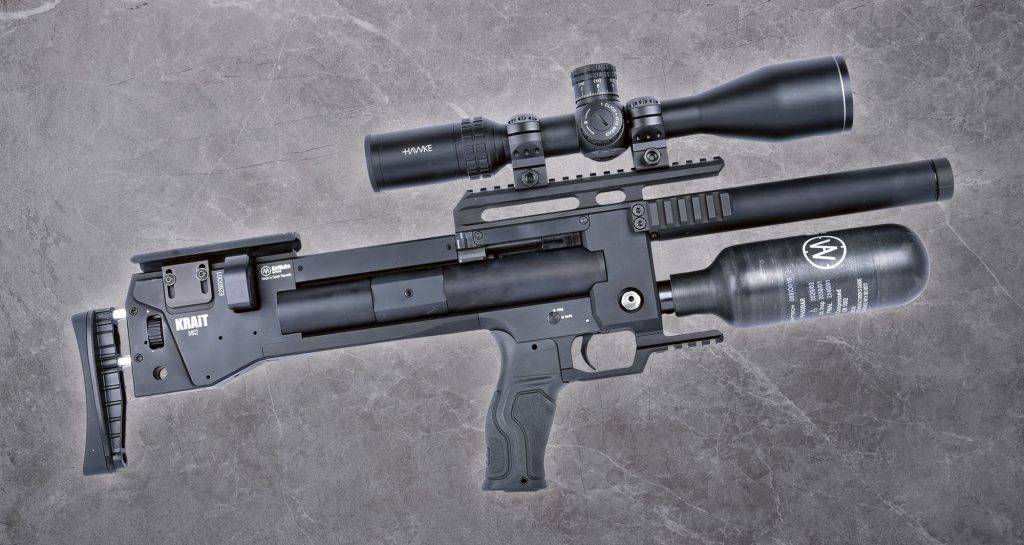
AirMaks Arms Krait MKII review: bullpup PCP air rifle tested
Dave Barham tests the new AirMaks Arms Krait MKII, the latest bullpup PCP from the Czech maker, distributed in the UK by Hawke Optics and hand-tuned before it reaches the shops. Shot in .177 at his cl...
By Dave Barham
Get the latest news delivered direct to your door
Subscribe to Airgun World
Unlock the world of airgun hunting and target shooting with a subscription to Airgun World magazine, Britain’s biggest-selling airgun publication. Written by passionate, long-term airgun enthusiasts, each issue delivers expert insights, comprehensive gear reviews, and invaluable tips to enhance your shooting skills. Whether you’re a seasoned shot or new to the sport, Airgun World offers essential content covering shooting techniques, classic airguns, and the latest equipment innovations.
Save on shop price when you subscribe and pay just £4.60 per issue – 42% cheaper than buying in-store at £7.99!