★ Competition – win a riflescope – enter here! ★

Interview with pest controller and Taipan Airguns ambassador Lee Watts
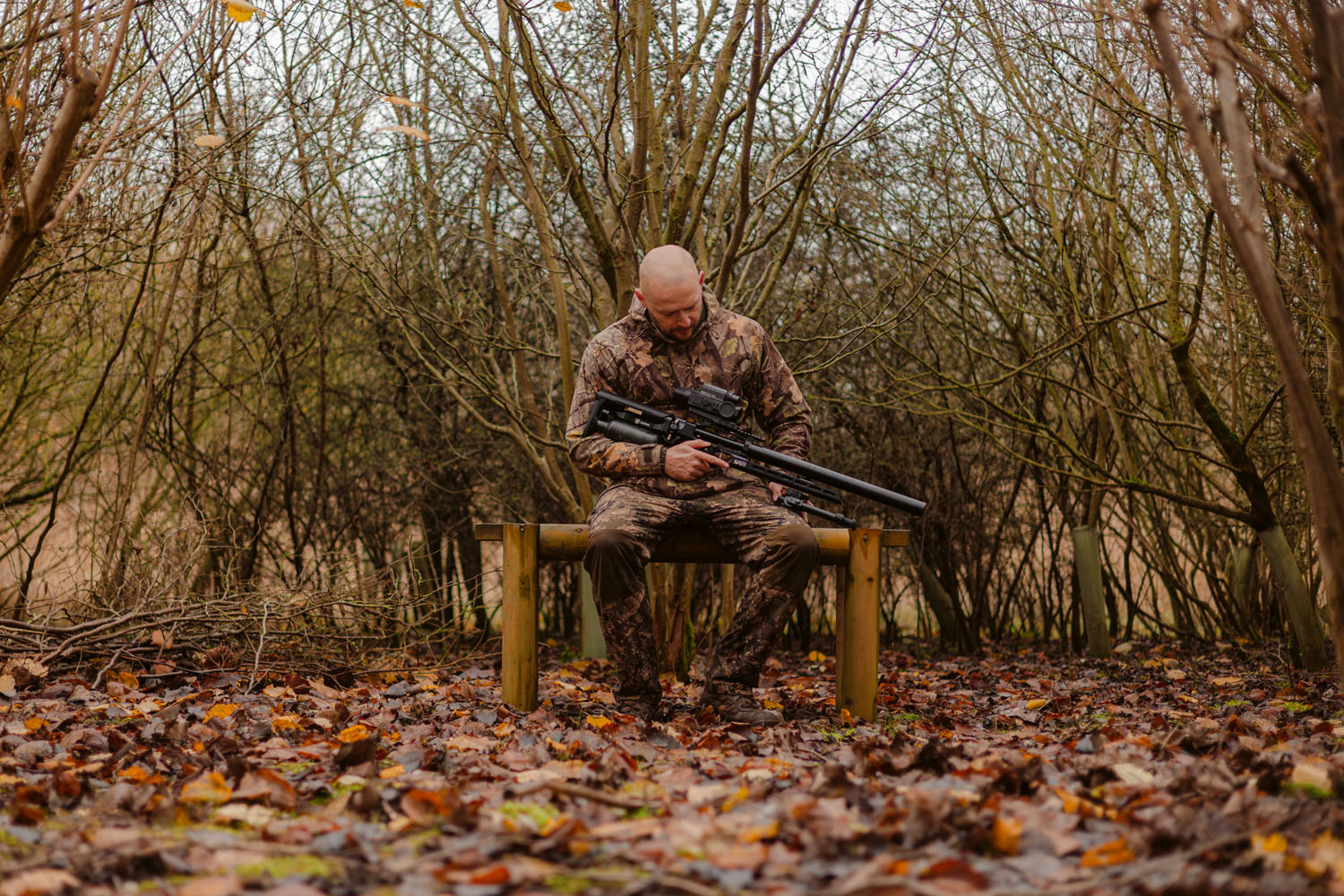
Lee Watts, a professional pest controller from Everything Airguns who works with brands including Taipan Airguns, Sabre Tactical, DonnyFL, the Shooting and Hunting Academy, Eaglevision, DNT Optics, Epic Airguns, Karma Airguns and Hadfield Guns and Countrywear, walks us through his day-to-day shooting life, the lessons he’s learned and the skills he’s gained

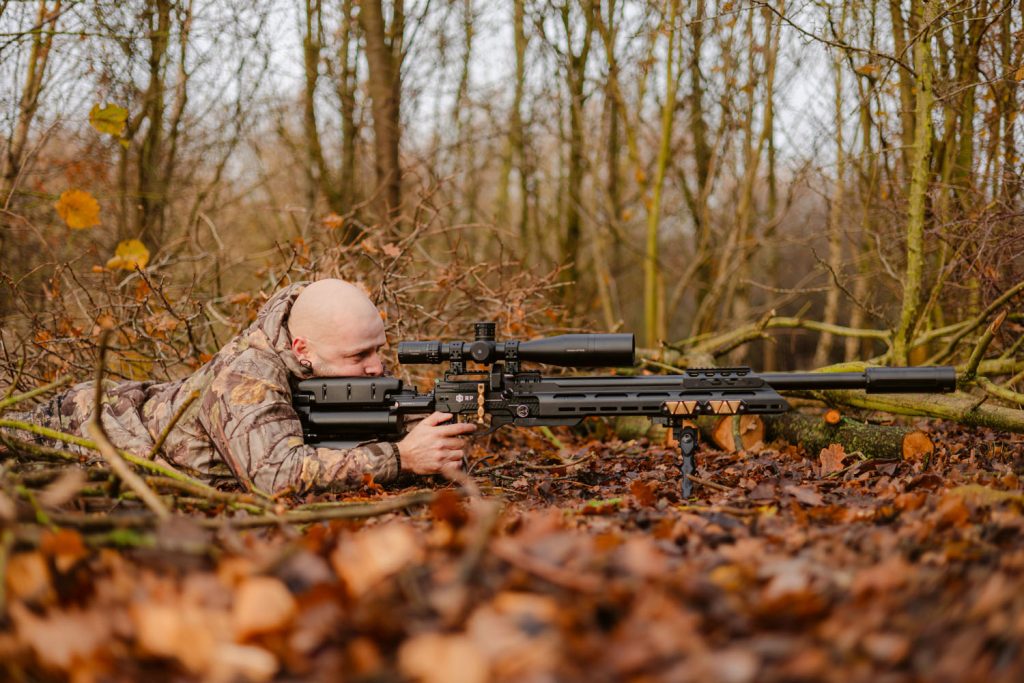
Airgun World (AW): So, who is Lee Watts?
Lee Watts (LW): I’m a 38 year-old professional pest controller, a rifle tuner and brand ambassador currently based in Helpringham, Lincolnshire. I enjoy the quieter pace of life it offers; it’s a place where I can switch off from work and appreciate a bit of calm. I’m also married and have two boys, aged 11 and 9, who keep life lively and full of energy.
Between family life and my job in waste disposal, I stay busy and fulfilled through my shooting. When I’m not shooting I like to take photographs of rifles and share them on my social media platforms. The Facebook page, called Everything Airguns, has nearly 11,000 subscribers at the time of writing.
AW: What first drew you towards air rifle shooting?
LW: My interest in shooting started when I was about nine years old, sparked by watching my dad in the garden with his old Hammerli break-barrel airgun. I remember standing beside him, fascinated by the focus and calmness he brought to something that, to me at the time, was really amazing.
Those moments weren’t really about the equipment, they were about spending time together, learning patience and seeing the care he took in what he was doing.
Patience was a skill I needed to hone because I just wanted to shoot, but I soon learned there was more to it than that. That early experience stayed with me and became one of my strongest childhood memories, shaping my interest and appreciation for the hobby as I grew older.
AW: Aside from your dad, who were your biggest influences in your early years?
LW: One of my biggest influences in my early years of shooting was Ted Bier, a YouTuber whose videos completely changed the way I looked at the sport. His scope-cam footage, especially the way he captured the pellet’s flight all the way to the target, was something I’d never seen before.
It was fascinating to watch the precision, patience and control he brought to every shot. Seeing those slow-motion, through-the-scope moments made me want to push myself further and learn how to shoot with that same level of accuracy. His content didn’t just entertain me: it inspired me to take my own skills more seriously.
AW: Can you remember what kit you were using when you first started out and how this developed over time?
LW: When I first started out, I was using my dad’s Hammerli break-barrel .22 springer, and at the time it felt like the perfect introduction to shooting. It taught me the basics: patience, timing and how important consistency is. As I grew older and became more interested in refining my accuracy, I naturally progressed toward using PCPs.
That shift opened up a whole new level of smoothness and control, and it allowed me to focus more on technique rather than managing the quirks of a springer. Looking back, that journey from my dad’s simple setup to more advanced equipment reflects how my interest and skills developed over time.
AW: You served in the Armed Forces for a time, that must have given you ample opportunities to practise your shooting! What lessons or disciplines from that time were you able to take into your current approach to pest control nearer home?
LW: Serving in the Armed Forces played a huge role in shaping the way I work today, especially in pest control. It gave me countless opportunities to develop my marksmanship principles and understand how much technique, posture and mindset matter. I also gained valuable experience shooting at longer ranges, which taught me patience, concentration and how to read a situation carefully.
Beyond the shooting itself, the military instilled discipline, safety awareness and a methodical approach to every task. All of those lessons carried over into my current work, helping me stay focused, responsible and professional whenever I’m out on a job.
AW: When did you decide to take shooting and pest control more seriously, and what were the driving factors behind that decision?
LW: I decided to take shooting and pest control more seriously when I transitioned from casual shooting into professional work. The skills and values I had learned in my childhood and in the Armed Forces stayed with me. As I moved into pest control professionally, it became clear that the job demands a high level of consistency and responsibility.
Humane dispatch, accuracy and a solid understanding of the environment all matter — not just for effectiveness, but for maintaining high ethical standards. Seeing how my skills could be applied to real-world situations and used to help clients manage problems properly was a major driver in taking things to the next level.
AW: What professional pest control work do you carry out?
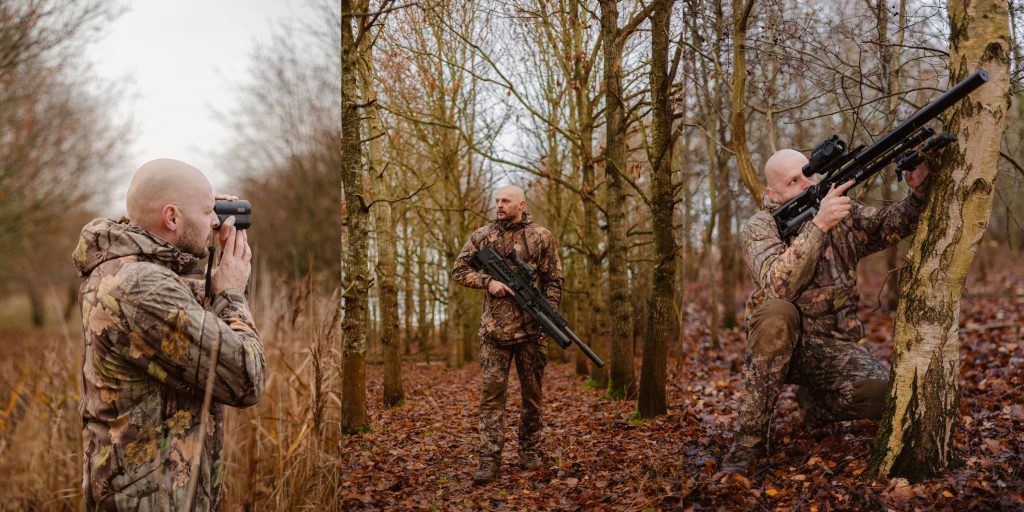
LW: I do a lot of woodland squirrel control and bird and rabbit control on a few local farms here in Lincolnshire. I try to rotate which ones I go to each weekend in order to keep everyone happy. The ratting has got busy too, so that takes up a fair few evenings after work. The beauty of the dark early nights makes short sessions possible and effective.
I shoot three times a week. I shoot rats after work as I finish early around 3pm, I can hit the gym and then get straight out on them. The weekends I dedicate one day to whichever farm is needed ,starting at first light until I feel I have done enough. I keep one day for family time with my wife and the children.
AW: With which brands are you currently associated?
LW: I’m currently associated with several brands within the airgun industry, including Saber Tactical (as a sponsored promoter and reviewer), which provides top-quality accessories for rifles like the FX Impact. I am also associated with DonnyFL (as a sponsored promoter and reviewer), which makes excellent airgun moderators.
I also work with Taipan Airguns (as sponsored shooter) promoting its rifles across the UK, and Epic Airguns and Karma Airguns (as an affiliate), helping create video and image content for social media.
Additionally, I use Eaglevision products (as an affiliate on social media) such as its scope-cam systems, and support the brand by promoting its equipment online. I am also an affiliate with DNT Optics. These partnerships allow me to share my experience and expertise with a wider audience.
AW: You also work as an approved verifier for the LANTRA-accredited Airgun Proficiency Course (APC). Could you tell us about that role and how it connects to your pest control experience?
LW: I work as an approved verifier for the Airgun Proficiency Course APC — delivered by the Shooting and Hunting Academy. This ties closely to my pest control work. In this role, I assess people’s shooting skills to ensure they handle weapons safely and confidently. I focus on their techniques and ability to shoot accurately, emphasising consistent grouping to achieve a humane outcome on live quarry.
I believe training is really important in everyone’s journey. It’s about more than just hitting a target. It’s ensuring responsibility, precision and respect for the environment. The standards I uphold in verification mirror the same principles I apply in pest control: careful planning, accuracy and ethical professional practice in every situation.
AW: Should all pest controllers be accredited, even if they aren’t a professional?
LW: Yes. Accreditation ensures that anyone handling equipment or working with live quarry has the correct skillset, knowledge and understanding to do the job safely and responsibly. It reinforces the importance of accuracy, proper technique and achieving a humane outcome, rather than relying on guesswork or inexperience.
Proper training also helps prevent accidents and ensures the welfare of animals is respected. Overall, accreditation raises standards across the board, giving peace of mind to both the public and practitioners, and promoting professionalism and safety in every aspect of pest control.
AW: What are your golden rules when securing permission to shoot on land?
LW: It’s all about professionalism and respect. I make sure to present myself smartly — never turning up in camo with an air rifle in hand. Politeness and clear communication go a long way; I take the time to introduce myself, explain what I plan to do and offer to help around the farm if needed. I also make sure to inform the landowner that I am fully insured, which reassures them that the work will be safe and properly managed. Building trust is always the first step.
AW: Are consistent, humane kills down to practice, having the right equipment or a combination of both?
LW: Consistent, humane kills are definitely down to a combination of both practice and having the right equipment. Skill and technique alone aren’t enough without a reliable, well-maintained tool that allows you to shoot accurately. At the same time, even the best equipment won’t achieve the right outcome if the shooter lacks experience, focus and control.
Regular practice helps develop precision, understanding of distance and the ability to remain calm under pressure. Together, skill and equipment ensure that each shot is both safe and humane, reflecting responsibility, professionalism and respect for the animal and also the wider environment.
AW: What influences your decision not to take a shot, and what criteria must be met before you pull the trigger?
LW: I won’t take a shot unless I’m completely sure it’s safe and ethical. I need a clear line of sight, a good view of the target and to know that nothing or no one else could be at risk. The animal has to be in the right position, within range and the shot must be one I’m confident will be clean and humane. If there’s any doubt — because of distance, obstacles, or even the weather — I simply don’t take it. For me, it’s about being responsible and making sure every shot counts. Knowing your terrain is also very important.
AW: How do you motivate yourself to get out and do the job in the dead of night or the middle of winter when weather conditions are poor?
LW: I stay motivated because I genuinely enjoy what I do. Preparation makes all the difference — wearing the right clothing and gear keeps me comfortable and safe no matter the weather. I also take pride in keeping the landowners happy and maintaining the high standard of work they expect from me. Knowing that my efforts make a real difference encourages me to get out there, even when conditions are tough. For me, it’s a combination of passion, responsibility and commitment that keeps me going.
AW: What item or piece of kit are you never without when you are controlling pests?
LW: There’s always one thing I make sure I have with me, and that’s the gear that keeps me comfortable and prepared. If I’m warm, dry and able to move properly, everything else falls into place. I also carry the basics I need to do the job safely and efficiently, but I don’t overload myself with unnecessary kit. Keeping things simple works best for me. As long as I’ve got the essentials and the right clothing for the conditions, I know I can focus on the task and get the job done properly.
AW: Tell us about the tuning work you do for Hadfield Guns & Countrywear…
LW: I work with Hadfield Guns & Countrywear carrying out tuning on FX air rifles, making sure each rifle is set up to suit the type of shooting the customer plans to do. Whether someone prefers long‑range slugs or traditional pellets, the goal is always to match the setup to their needs so the rifle performs at its best. The process takes a lot of time, patience and attention to detail because getting a rifle running efficiently and consistently is all about balance.
I really enjoy the challenge of fine‑tuning them and seeing the difference it makes to accuracy and overall performance. Receiving positive feedback about the finished product always makes me happy knowing it’s performing how it should for the customer.
AW: Are you constantly testing and refining your pellets and other kit, or are you more likely to stick with what works for you and maintain that consistency?
LW: With how quickly things are moving in the airgun world, I’m constantly testing and refining my pellets and kit. Innovation never really slows down, so there’s always something new worth looking at. I’m a bit of a perfectionist, so if there’s a chance to squeeze a little more performance or consistency out of a setup, I’ll take the time to do it.
Ammunition in particular is evolving fast, and each new option can behave differently, which keeps things interesting. Even though I know what works for me, I still enjoy experimenting and making sure I’m always getting the best results that I possibly can.
AW: What do you do with the pests that you shoot? For example, do edible ones go to a butcher or the farmer?
LW: Anything I shoot never goes to waste if it can be put to good use. Rabbits and squirrels usually go to a local guy who keeps birds of prey, and they become valuable feed for his birds. It’s good to know they’re serving a purpose rather than being thrown away.
Unfortunately, with pests like rats, there isn’t a safe or practical way to repurpose them, so they have to be disposed of properly. I always make sure everything is handled responsibly and respectfully, following the right procedures for whatever species I’m dealing with.
AW: Finally, what advice would you give to anyone considering following the same path into professional air rifle pest control that you did?
LW: Take the role seriously from day one. Pest control with an air rifle isn’t something you can just fall into — you need the right mindset, proper training and a real understanding of responsibility. Make sure you learn the basics properly, get accredited and spend time practising until you’re confident, consistent and safe.
Don’t rush into jobs before you’re ready. Build good relationships with landowners, be reliable and always carry yourself professionally. Most importantly, focus on doing the job humanely and ethically. If you approach it with patience and respect, the rest will fall into place.
Related Articles
Features, interviews and advice
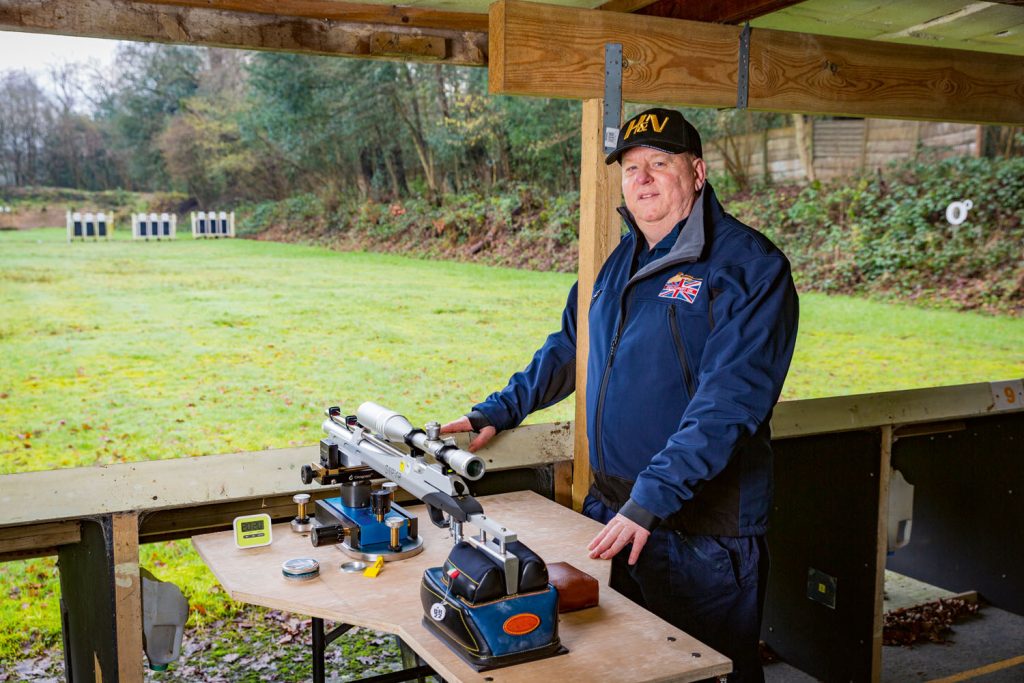
Meet guest editor Graham Freeman
World Champion Graham Freeman discusses his journey from a childhood BSA Meteor to elite benchrest shooting, offering expert advice on precision gear, budget-friendly competition, and his ambitious go...
By Martin Puddifer
Features, interviews and advice
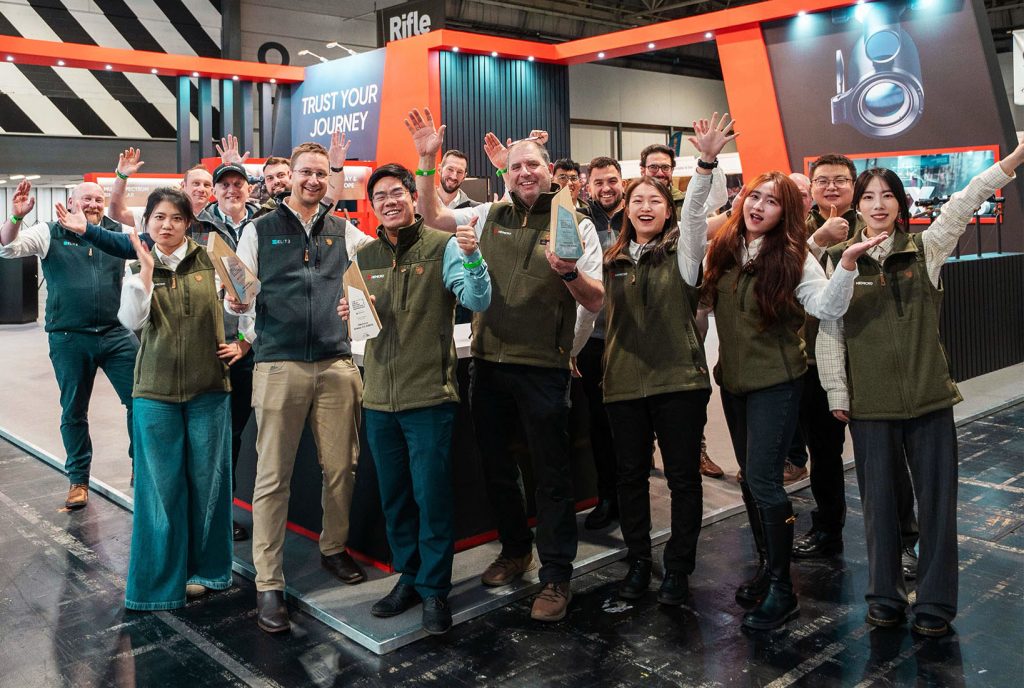
Interview with Andy Gowan from Elite Optical
Andy Gowan, the marketing manager at Elite Optical in Exeter shares the brand’s strategic goals and plans for 2026
By Martin Puddifer
Get the latest news delivered direct to your door
Subscribe to Airgun World
Unlock the world of airgun shooting with a subscription to Airgun World magazine, Britain’s biggest-selling airgun publication.
Written by passionate, long-term airgun enthusiasts, each issue delivers expert insights, comprehensive gear reviews, and invaluable tips to enhance your shooting skills. Whether you’re a seasoned shot or new to the sport, Airgun World offers essential content covering shooting techniques, classic airguns, and the latest equipment innovations.
Save on shop price when you subscribe and pay just £4.07 per issue – 42% cheaper than buying in-store at £6.99!