★ Competition – win a Konus Wild riflescope worth £90 – enter here! ★



Grey squirrel control with an air rifle tips
Grey squirrels and sub-12ft/lb air rifles go together like tea and biscuits. Done properly, squirrel control is not only a fantastic sport, it’s also a real benefit to woods, songbirds and game birds.

How to attract grey squirrels to a feeder
Grey squirrels are creatures of habit. Give them a regular, easy food source that feels safe and they’ll soon build it into their daily routine. That’s why a well-thought-out feeder and hide setup is so effective: instead of relying on chance encounters, you create dependable, repeatable shot opportunities in a controlled, safe environment.
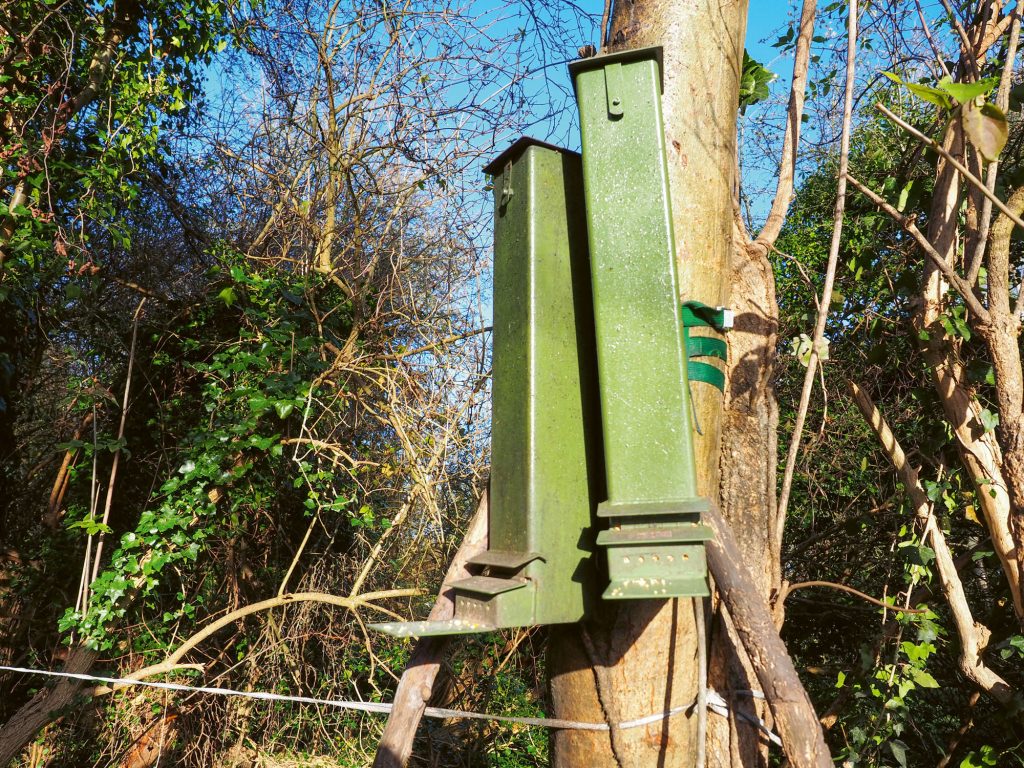
For my own shooting, I favour a Keith’s High Seats metal squirrel feeder. It’s tough, weatherproof and stands up to constant use, which is exactly what it gets through the season.
Into that feeder I’ll usually put peanuts or a corn and peanut mix, rich in energy and absolutely irresistible to squirrels; or, if I’m looking to keep things a bit cheaper, black sunflower hearts. The sunflower hearts are a very good budget option, but they still draw squirrels in and keep them visiting regularly.
Whatever I’m feeding, I like to stack the odds further in my favour with a bit of extra attraction. A dash of spiced aniseed oil on the feeder lid and around the tree works wonders. This method works a treat and brings everything in bar Big Foot himself. The scent carries on the breeze and helps squirrels find a new feeder much more quickly than they otherwise might. Once they’ve discovered it, that smell seems to help lock it into their mental map of the wood and adds one more regular stop on their daily circuit.
What air rifle and riflescope should I use for shooting grey squirrels?
Kit-wise, I like to keep things consistent and familiar. My current rifle of choice for squirrel work is the Daystate Red Wolf Safari in .177, which has accuracy and consistency in spades ideal for those precise head shots at 20–25 yards. I pair it with H&N Baracuda 8s, which my rifle groups beautifully and which hit with enough authority for clean, humane kills on small quarry.
On top sits a HikMicro 4K Lite, which gives a crisp sight picture and really helps with picking out squirrels in the half-light of early morning and late afternoon, when the woods are gloomy and the branches are full of distractions. Knowing exactly where the pellet is going, and being able to see your target clearly, makes a huge difference to your confidence in the hide.
How far should my hide be from the feeder?
Positioning the feeder is part science, part common sense. I normally mount it on a sturdy tree or post at about chest height. That’s convenient for topping up, but the real reason is safety: I want a solid, reliable backstop behind any squirrel on the feeder, not the open sky.
Wherever possible, I’m looking to shoot into a bank or down into soft earth. I also pay attention to the wind. Ideally, my hide will end up with the breeze in my face or from the side, rather than blowing straight from me towards the feeder and taking every bit of scent with it.
Access is worth thinking about, too. You’ll be revisiting this spot regularly to refill the feeder, so there’s no sense in putting it somewhere that feels like a mountaineering exercise every time you go in.
Once the feeder is up and baited, I like to leave it alone for a few days. Squirrels are naturally inquisitive; once one finds it, others aren’t far behind. You’ll soon see the signs: the lid takes on a polished look, there are gnaw marks around the edges and the feed level drops between visits. At that point you’ll know you’ve created a proper stopping point on their rounds.
Are trail cameras good for grey squirrel hunting?
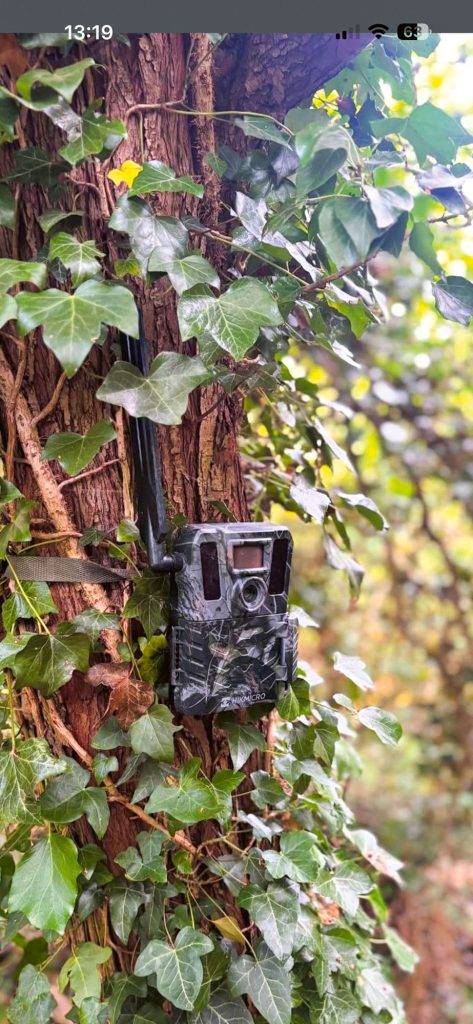
One of the best bits of kit for anyone serious about squirrel control is a trail cam. I almost always put one on a new feeder for the first week or so. It’s like having a tireless gamekeeper sitting there all day, taking notes for you.
Very quickly, the footage shows you when the feeder is busiest. Some woods come alive at first light; others don’t really see much traffic until mid-morning. You’ll also get a feel for how many individual squirrels are visiting and whether they tend to trickle in or arrive in little flurries.
That information is invaluable. Instead of just turning up and hoping for the best, you can time your sessions to coincide with peak feeding activity. It’s no exaggeration to say that a decent trail cam can double your bag simply by helping you choose the right three hours to be sitting in the hide, rather than wasting time in a dead spell. I have always used the HikMicro M15 for this as it sends you live pictures to the app on your phone.

When should I build the hide?
Once I know the feeder is being used regularly and I’ve learned the feeding pattern, I’ll turn my attention to the hide. Here I follow one simple rule: I always build a hide a day or two before I intend to shoot, so the squirrels get used to the hide being around. They may not be the brightest animals in the woods, but they’re very aware of change.
If a big dark shape suddenly appears and there’s a human scent coming from inside it, a lot of squirrels will hang back or avoid the area altogether. Give them 24–48 hours and that strange new object just becomes part of the backdrop.
Range is kept straightforward and realistic. I want my shots well within my confident distance, so I always build hides around 20–25 yards from the feeders perfect for sub-12ft/lb airguns. In that band, trajectory is predictable, pellet placement is precise and I can clearly see what each squirrel is doing without having to lean out or shuffle around.
I’ll confirm the range with a laser rangefinder or by pacing it out, then check my zero at that exact distance. The more familiar you are with yardage, the more relaxed and instinctive your shooting becomes when the moment finally comes.
What’s the best material for building a hide for grey squirrel hunting?
As for the hide itself, I use two main types. Natural hides are the traditional option. I’ll drag in fallen branches, brash and deadwood, propping and weaving them around a convenient tree to break up my outline. Bracken, ivy and leafy boughs soften the shape further.
I leave a small, clear shooting window looking straight towards the feeder and keep everything else fairly dense. Blended properly, a natural hide disappears into the wood and, with the odd repair can serve you well for the whole season.
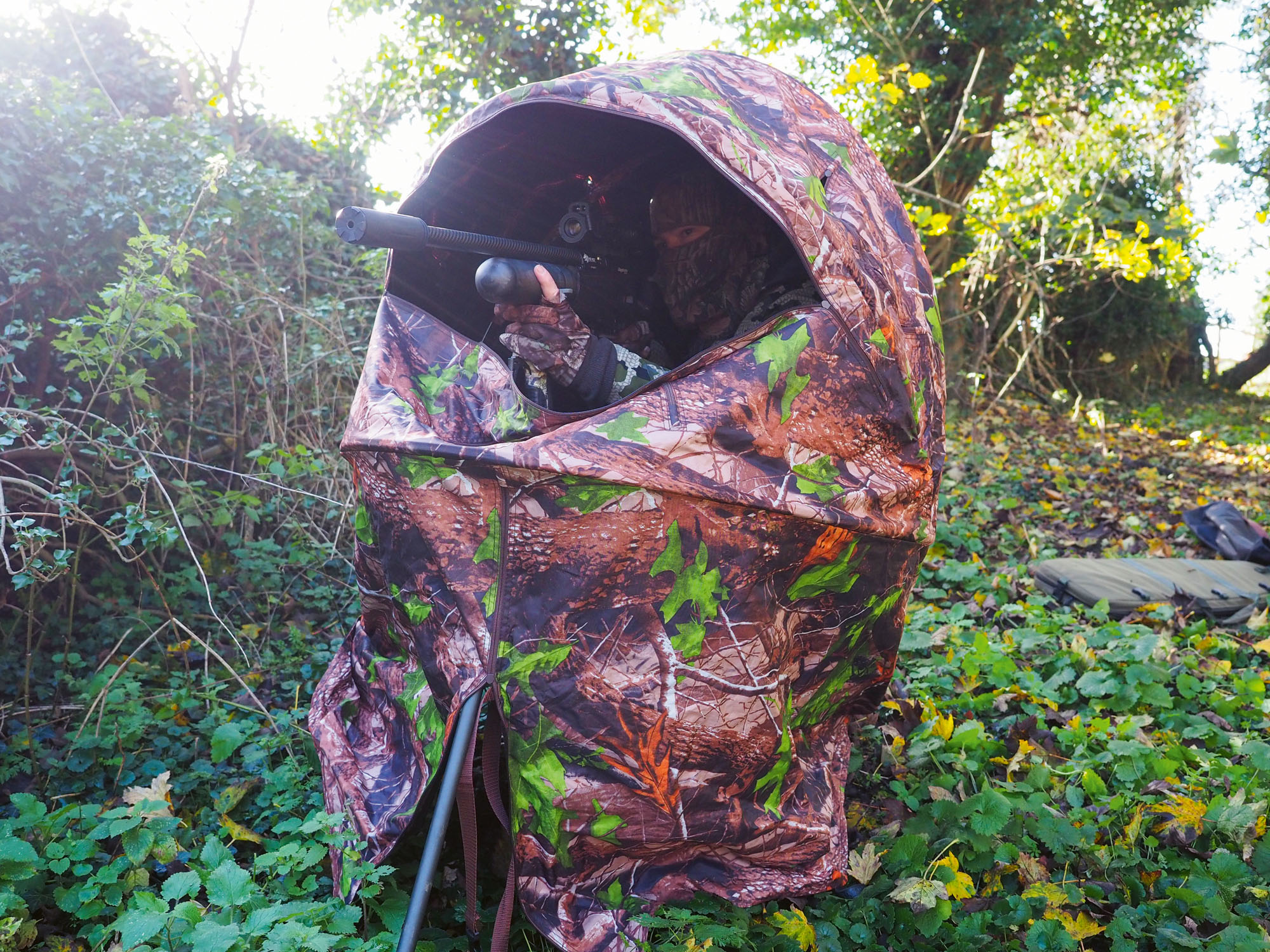
The easier option is a pop-up hide. Modern pop-ups go up in seconds, pack down small and offer good protection from wind and drizzle — which makes a lot of difference on a long winter’s day. Once it’s in position, I’ll still dress it with a few branches or bits of bracken to break up the outline, so it doesn’t look like a neat cube dropped from a helicopter.
Whether I’m using natural materials or a commercial hide, comfort and stability are non-negotiable. I want to be able to sit for several hours without fidgeting, and I want a solid rest for the rifle sticks, bipod or a shooting bag so that when the shot presents itself, all my attention can go on timing and placement rather than on wrestling the gun steady.
When is the best time of year to control grey squirrels?
You can control squirrels year-round, but there’s no question that certain times are far more productive. For sheer efficiency, winter is unbeatable. When the leaves are down and the natural larder is empty, a feeder becomes a lifeline.
The best time of year to hunt them is through their winter, when natural food is scarce. In autumn, they’re spoiled for choice with acorns, beech mast and hazelnuts, and your feeder is just one of many options. Once that’s all gone, they rely much more heavily on any regular food source which is exactly what your feeder provides. Visits become more consistent, squirrels stay longer and they feed harder.
What about the best time of day?
Time of day follows a similar pattern across most woods I shoot. Early morning and late afternoon are the best times for big bags. From first light to mid-morning, squirrels are keen to refill after a long night; in the last couple of hours before dusk they’re topping up again.
Your trail cam will almost certainly show those peaks as clear flurries of activity. When I’m planning my outings, those are the windows I prioritise, whether that means an early start, a short evening session after work, or sometimes both.
On the day itself, I’ll slip into the hide well before I expect squirrels to arrive, quietly and with as little disturbance as possible. I don’t go near the feeder and I don’t stomp around the area.
How to ensure a humane kill
Once inside, it’s all about discipline. Phones go on silent, loose odds and ends come out of pockets, and I make sure pellets, magazines and rangefinder are laid out where I can find them without rummaging. The idea is that when a squirrel appears, I can go through a smooth, practised routine with minimal movement and noise.
When one does come in, I let it settle. I prefer to wait until it’s properly committed to the feeder relaxed, feeding and stationary before I think about lifting the rifle. Then I move slowly, keeping things as smooth and deliberate as possible. I’m always looking for a safe, static shot: usually a broadside or slightly angled head shot, or sometimes just behind the shoulder depending on circumstances and local rules.
A well-placed pellet from a properly set-up sub-12ft/lb air rifle will give clean, humane kills at these ranges. After each shot, I stay put. Especially in winter, there may be other squirrels working their way in, and if you remain quiet and still, further chances often follow.
Grey squirrels and pheasant shoots
Managed pheasant shoots add another layer to all this. You always find squirrels around pheasant feeders on managed shoots. The grain and pellets put down for the birds are a free buffet as far as greys are concerned.
Even if you don’t want to interfere directly with the pheasant feeding, the feeders and the routes leading to them are natural hotspots. I’ll look for the hedges, rides and small woods that connect to the game cover, then either put a dedicated squirrel feeder on a likely line or build a hide to watch a favourite tree or fence line. The same principles apply 20–25 yards, safe backstop, wind in my favour, hide in place a day or two beforehand but the concentration of squirrels around game cover often means very productive sessions and reduced pressure on the pheasant feed.
Stalking grey squirrels
For all that feeders and hides are wonderfully efficient, I still enjoy the traditional challenge of stalking squirrels through the woods. It’s a more active, reactive way of hunting and it really sharpens your fieldcraft. My pace is always slow and deliberate. I take a few careful steps, then stop to look and listen. Heavy, hurried footsteps send squirrels bolting for cover, but gentle progress with frequent pauses lets the wood calm around you.
Sound is often your first clue. The scratch of claws on bark, the soft thud of shells dropping from above, or the sharp, scolding chatter of an alarmed squirrel will all point you in the right direction. Once I’ve narrowed down the area, I’ll use trees as cover, keeping a trunk between me and the squirrel as I ease into range. Big oaks and hazels are natural focal points, as are drays with bulky nests wedged high in forks and branch junctions. In a familiar wood, I’ll work between a handful of “likely” trees, paying attention to the wind and scanning for movement.
Stalking and hide shooting sit very well together. The feeder sessions take care of a big proportion of the local population in a controlled, ethical way. Stalking then mops up the wary individuals and newcomers that never quite trust an obvious feeding station. Between the two approaches, you end up with effective, ongoing control and a lot of enjoyable shooting.
Why fieldcraft is so important when hunting grey squirrels
In the end, there’s nothing particularly mystical about successful squirrel control with an air rifle. It all comes down to consistency and attention to detail.
Put up a solid feeder and fill it with something they can’t resist, whether that’s a peanut, corn and peanut mix or cost-effective black sunflower hearts. Add a splash of spiced aniseed oil. Give the squirrels time to find it, and use a trail cam to learn when they’re visiting.
Build your hide 20–25 yards away, a day or two before you intend to shoot, so it becomes part of the scenery. Focus your efforts in winter when natural food is scarce, and plan your sits for early mornings and late afternoons when the woods are at their busiest.
And remember, don’t ignore pheasant feeders and their approaches on managed game shoots either; they’re some of the best squirrel hotspots you’ll ever see in your life. And when you fancy stretching your legs, take the rifle for a quiet wander through the timber and put your stalking skills to work.
Do all that with a steady hand and a real respect for your quarry, and not only will your bags improve, you’ll also deepen your connection with the woods and the wildlife that lives in them which, for so many of us involved in it, is what airgun hunting is really all about.
Related Articles

Features, interviews and advice
Interview with Andy Gowan from Elite Optical
Andy Gowan, the marketing manager at Elite Optical in Exeter shares the brand’s strategic goals and plans for 2026
By Martin Puddifer
Features, interviews and advice
Bristol Airguns: How to host an open day
David Player from Bristol Airguns shares his advice on hosting a successful open day for anyone else in the trade who is considering staging one of their own
By Martin Puddifer
Get the latest news delivered direct to your door
Subscribe to Airgun World
Unlock the world of airgun shooting with a subscription to Airgun World magazine, Britain’s biggest-selling airgun publication.
Written by passionate, long-term airgun enthusiasts, each issue delivers expert insights, comprehensive gear reviews, and invaluable tips to enhance your shooting skills. Whether you’re a seasoned shot or new to the sport, Airgun World offers essential content covering shooting techniques, classic airguns, and the latest equipment innovations.
Save on shop price when you subscribe and pay just £4.07 per issue – 42% cheaper than buying in-store at £6.99!