★ Competition – win a Vantage riflescope worth £279 – enter here! ★


Is airgunning the solution for grey squirrels?
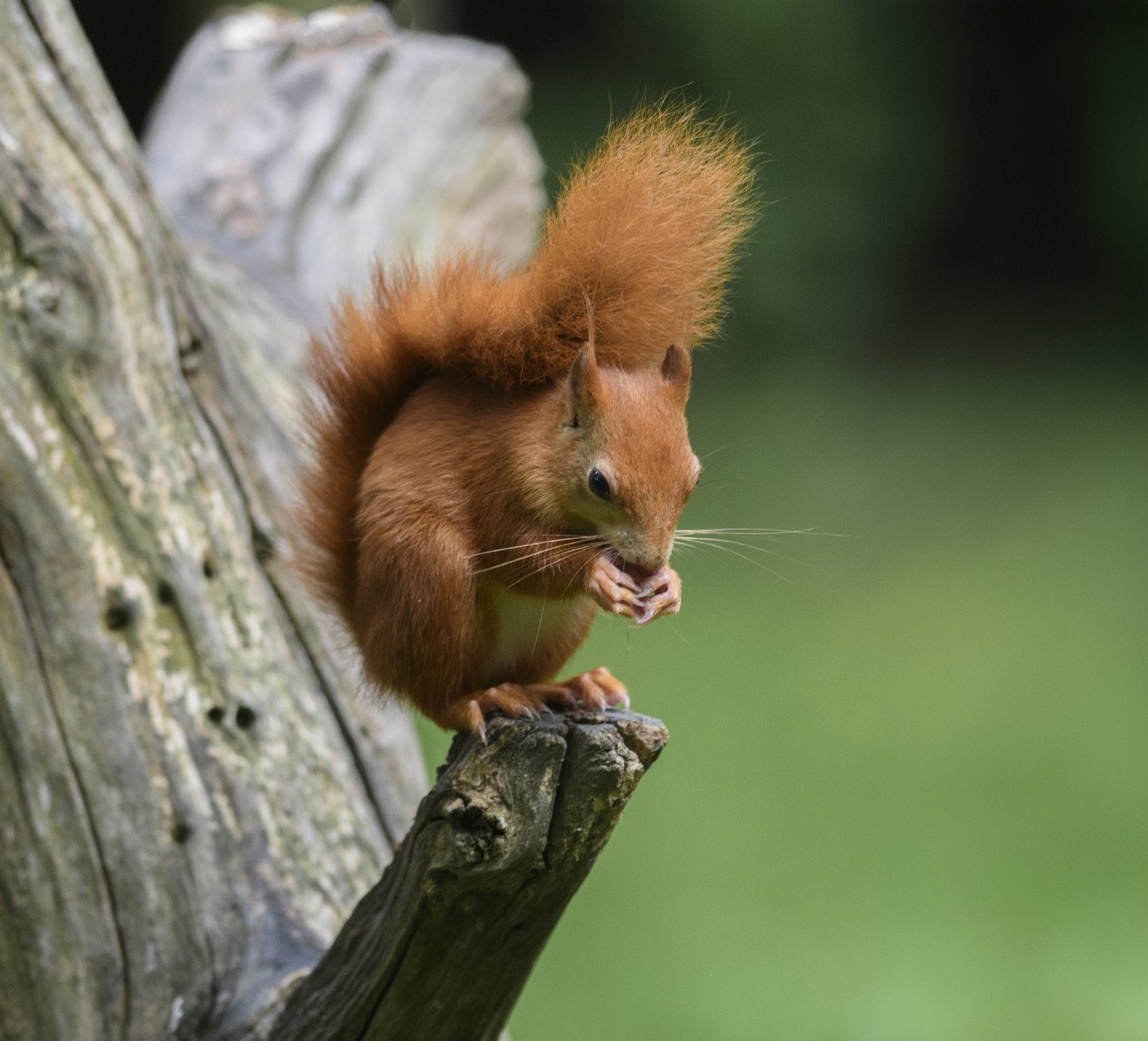
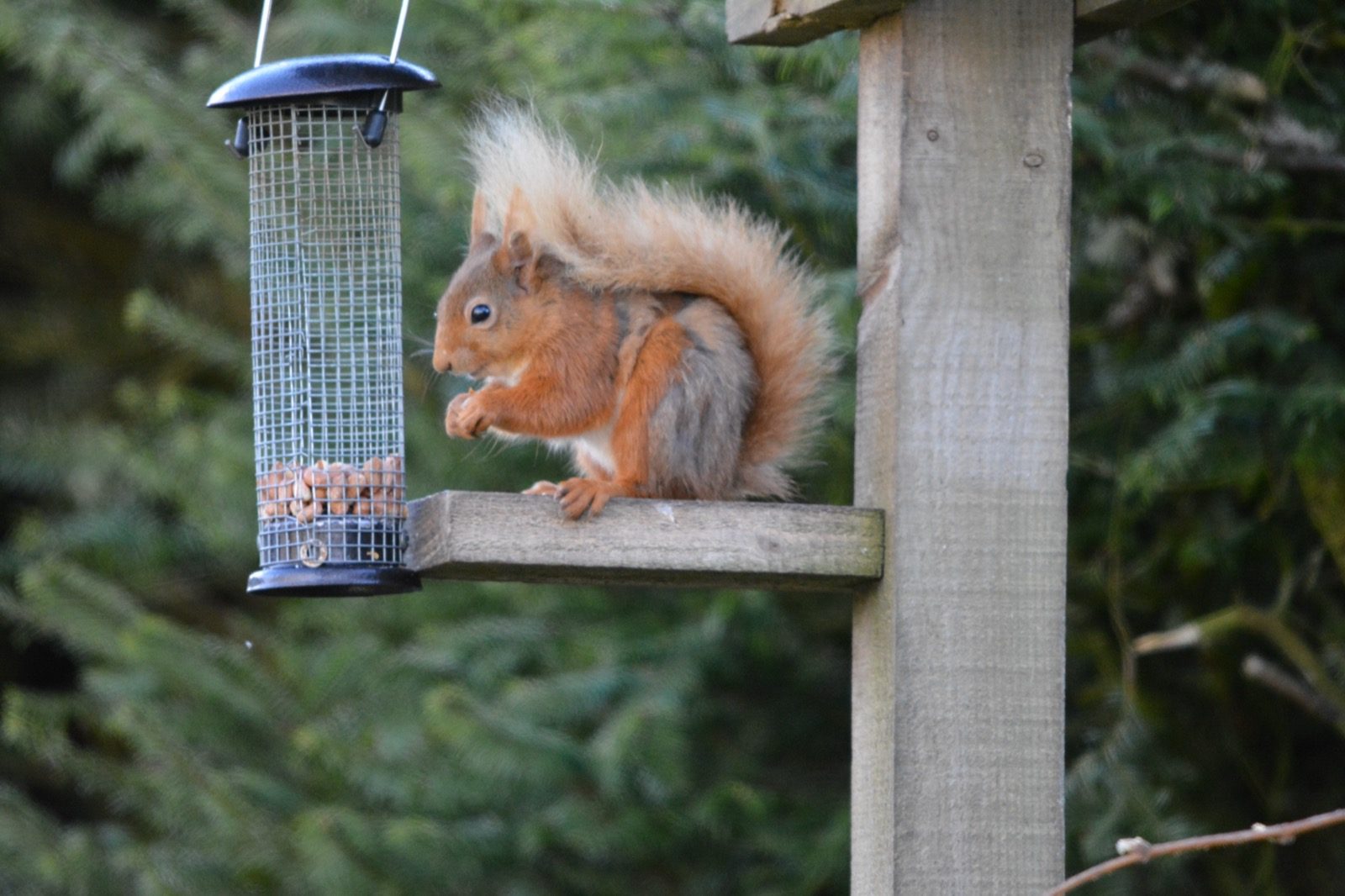
Defra's latest grey squirrel policy recognises the practical conservationists keeping grey numbers down, and in many cases that means airgunners. Here is why the air rifle remains one of the most effective tools for protecting woodland and native red squirrels


Grey squirrel control is rarely far from debate, but every so often a new policy emerges that reminds us just how important the work on the ground really is.
Defra’s latest grey squirrel policy does exactly that. At its heart, it recognises something airgunners have known for years. If you want healthier woodlands and a future for native species like the red squirrel, we must recognise and bolster the efforts of practical conservationists, including the portion of the UK’s airgunning community who dedicate their early mornings and late evenings to controlling the destructive grey squirrel population.
And in many cases, that means airgunners.
Why grey squirrel control matters for woodland
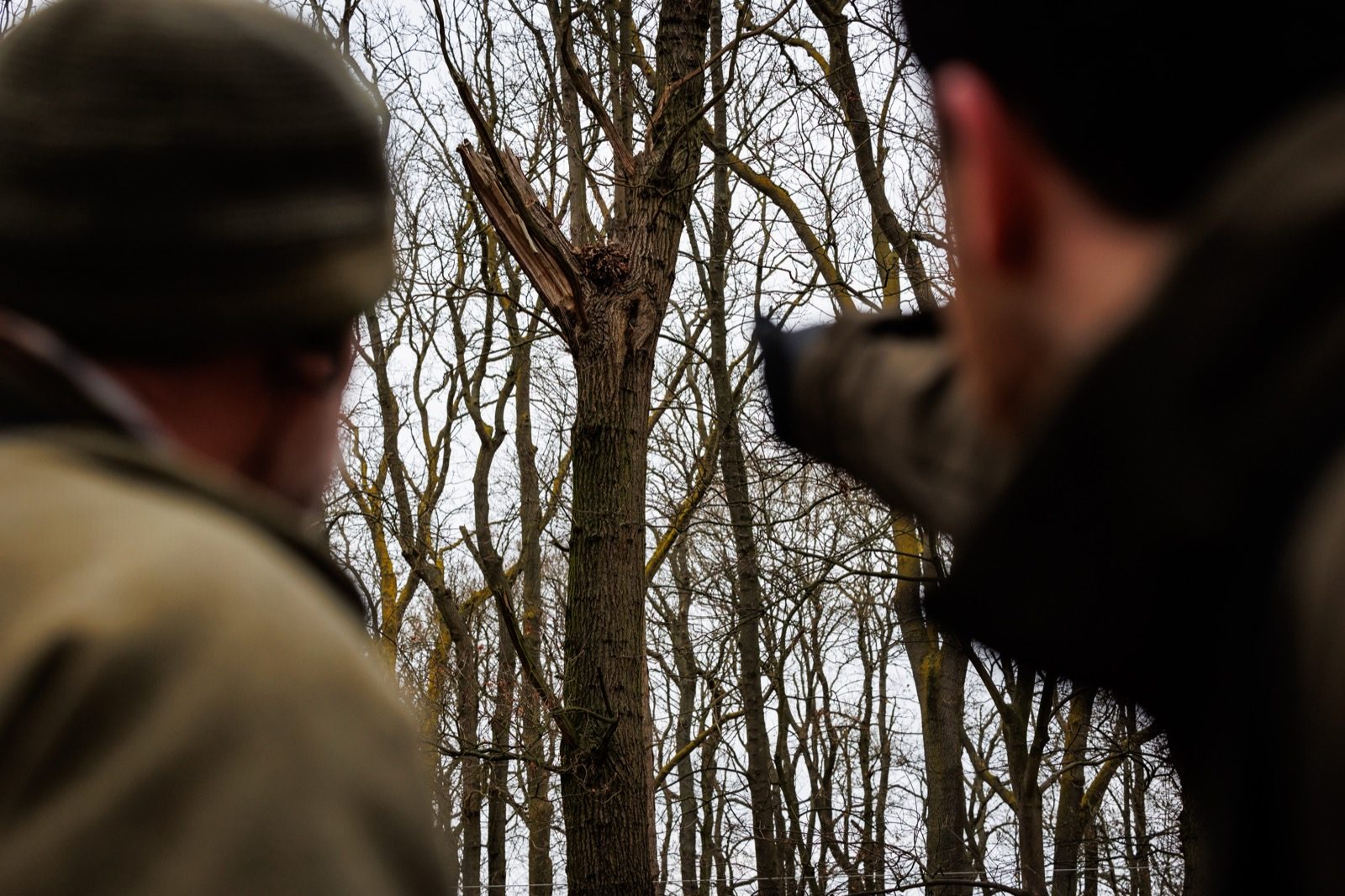
Grey squirrels are not just a nuisance. Their impact on woodland is significant. Bark stripping weakens trees, reduces timber quality and limits the ability of woods to regenerate. It also puts pressure on wider biodiversity, particularly in areas where red squirrels are trying to maintain numbers. Managing that pressure takes consistent, localised effort. It is not something that can be solved from a distance.
Why the air rifle suits grey squirrel control
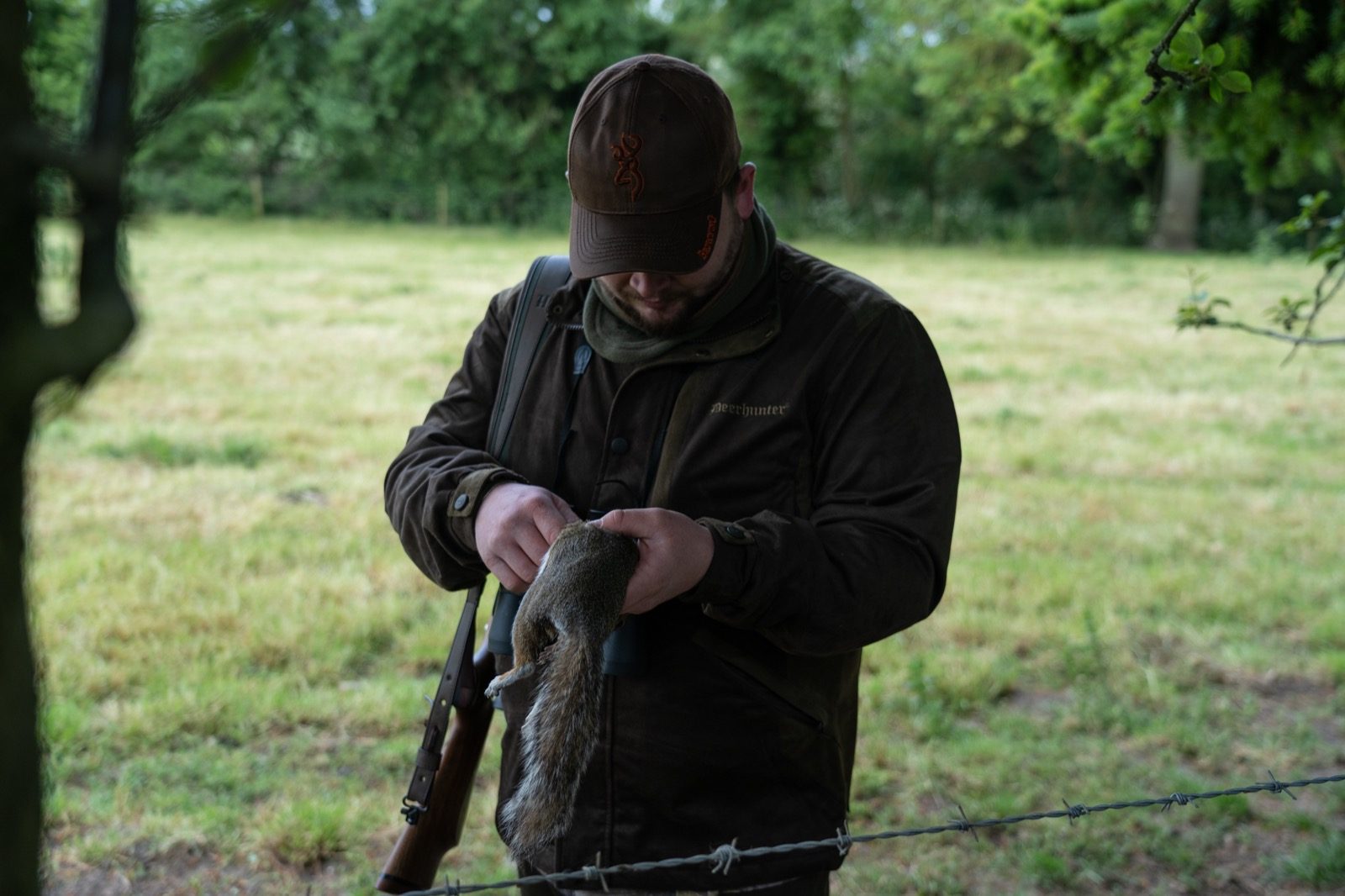
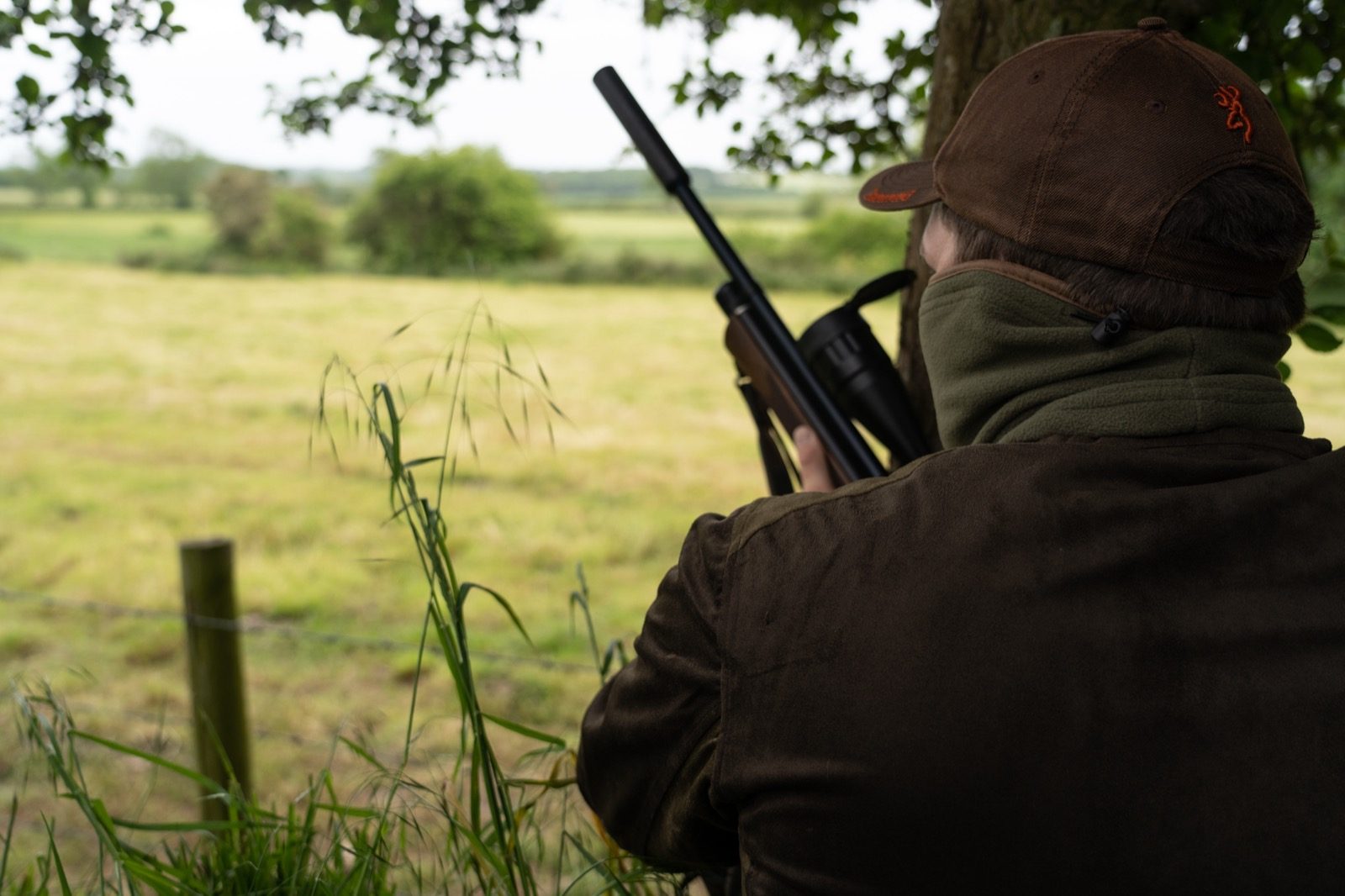
For those who spend time in the field, this is familiar ground. An air rifle, used properly, is one of the most practical tools for grey squirrel control. It is quiet, accurate and well suited to woodland environments, allowing for regular, humane control without unnecessary disturbance. A few hours here and there, working a permission, keeping numbers down, building trust with landowners – that’s how we make a difference to managing grey squirrel populations.
That is the role airgunners continue to fill.
A bigger role in volunteer-led control
There is also a growing recognition of the value of coordinated effort. More opportunities for volunteer-led control, including on public land, could open the door for airgunners to play an even bigger part. For many, that means putting their skills to use in a way that goes beyond a single permission and contributes to wider conservation goals.
Standards, responsibility and BASC
Of course, with that comes responsibility.
High standards, safe practice and a clear understanding of what works in the field is essential. That is why becoming a member of BASC matters. It is not just about insurance or advice. It is about being properly supported and represented as part of a community helping shape the future of practical conservation and sustainable shooting.
Discover BASC’s dedicated air gun membership category, built for the needs of the UK’s largest collective of shooting enthusiasts. Access industry experts, be the first to receive the information that matters to you and directly contribute to the future of shooting in the UK. Join BASC today and help us fight for the future of sustainable shooting in the UK.
Frequently Asked Questions
Why are grey squirrels controlled?
Grey squirrels strip bark, which weakens trees, reduces timber quality and limits the ability of woods to regenerate. They also put pressure on wider biodiversity, particularly in areas where native red squirrels are trying to maintain their numbers.
Why is an air rifle suited to grey squirrel control?
Used properly, an air rifle is one of the most practical tools for the job. It is quiet, accurate and well suited to woodland, which allows for regular, humane control without unnecessary disturbance.
What does Defra’s grey squirrel policy recognise?
It recognises the value of practical conservationists who keep grey numbers down, including airgunners, and points to a growing role for coordinated, volunteer-led control – potentially including work on public land.
Why should airgunners join BASC for squirrel control?
BASC membership is about more than insurance and advice. It offers proper support and representation as part of a community that helps shape the future of practical conservation and sustainable shooting, backed by high standards and safe practice.
Related Articles

News
Jacob Kay wins H&N Cup with record £10,000 prize pot
Competitors contested a record £10,000 prize fund at East Tree Field Target Club on the May bank holiday weekend.
By Hollis Butler
News
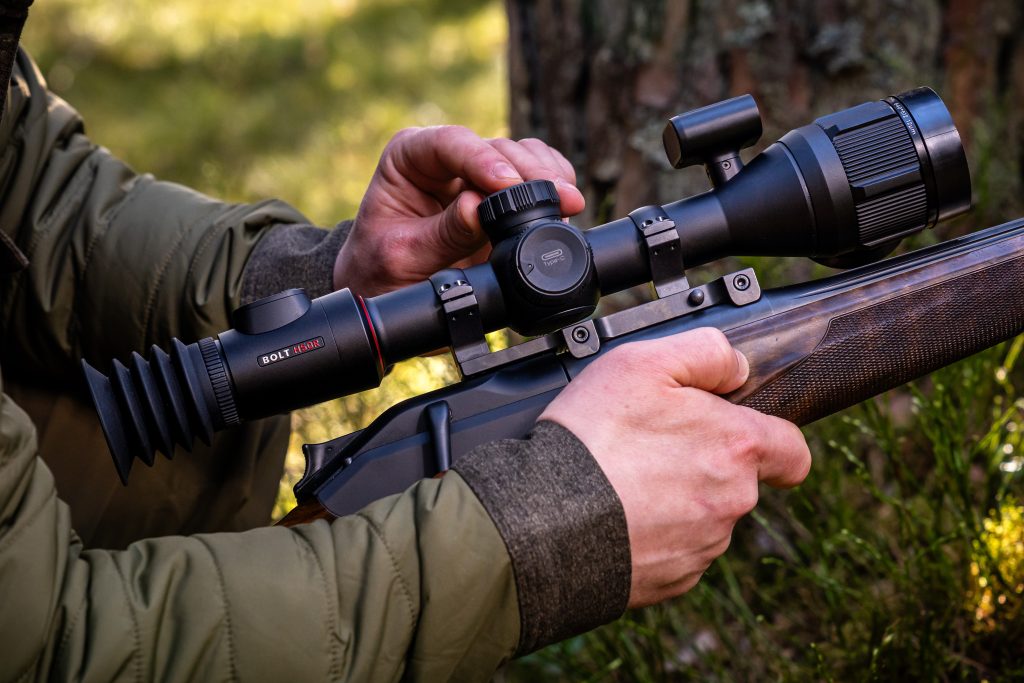
Nocpix Bolt H50R thermal riflescope launched
The Nocpix Bolt H50R thermal riflescope has launched in the UK, featuring a 640×512 sensor, laser rangefinder, ballistic calculator and £2,499 price tag.
By Hollis Butler
Get the latest news delivered direct to your door
Subscribe to Airgun World
Unlock the world of airgun hunting and target shooting with a subscription to Airgun World magazine, Britain’s biggest-selling airgun publication. Written by passionate, long-term airgun enthusiasts, each issue delivers expert insights, comprehensive gear reviews, and invaluable tips to enhance your shooting skills. Whether you’re a seasoned shot or new to the sport, Airgun World offers essential content covering shooting techniques, classic airguns, and the latest equipment innovations.
Save on shop price when you subscribe and pay just £4.60 per issue – 42% cheaper than buying in-store at £7.99!